

**Primary keywords:** heroku vs apexweave, heroku alternative apexweave, apexweave vs heroku, heroku comparison, leave heroku
---
If you're evaluating managed cloud platforms in 2025, Heroku and ApexWeave are both worth a serious look. Heroku is the established incumbent with a decade of adoption behind it. full stack git deployment ApexWeave is a newer platform purpose-built to address the gaps developers have been complaining about with Heroku — particularly price and deployment speed.
This comparison breaks down both platforms honestly so you can decide which one fits your team and your workload.
## Overview
**Heroku** launched in 2007 and helped define the modern PaaS category. Its "git push heroku main" deployment model became the template that nearly every platform since has copied. It's owned by Salesforce, runs on AWS, and has a large ecosystem of add-ons for databases, monitoring, email, and more.
**ApexWeave** is a managed cloud hosting platform focused on simplicity and affordability. It supports the same range of runtimes as Heroku (Node.js, Python, PHP, Ruby, Go, and more), offers managed WordPress and database hosting, and uses a similar git-push CLI workflow via `apexweave deploy`.
## Deployment Workflow
Both platforms use a git-push or CLI-push deployment model, which means you don't need to write Dockerfiles or configure infrastructure to get started.
**Heroku:**
```
heroku create my-app
git push heroku main
```
**ApexWeave:**
```
apexweave deploy
```
In both cases, the platform detects your runtime, installs dependencies, and serves your app. The experience is similar enough that developers moving from Heroku to ApexWeave typically need almost no workflow adjustments.
## Supported Runtimes
**Heroku** supports: Node.js, Ruby, Python, Java, PHP, Go, Scala, Clojure. The buildpack system allows community-supported runtimes as well.
**ApexWeave** supports: Node.js, Python, PHP, Ruby, Go, and additional runtimes. It also includes native WordPress hosting and managed database services — areas where Heroku requires third-party add-ons.
## Pricing Comparison
This is where the platforms diverge most significantly.
### Heroku Pricing (2025)
- **Eco Dynos:** $5/month for 1,000 dyno hours shared across all eco dynos (apps sleep when inactive)
- **Basic Dynos:** $7/month per dyno (no sleeping, but limited resources)
- **Standard-1X:** $25/month per dyno
- **Standard-2X:** $50/month per dyno
- **Heroku Postgres:** Essential plans start at $5/month, Standard tier starts at $50/month
- **Heroku Data for Redis:** $3/month for hobby, $15/month for premium
A typical production app on Heroku — one dyno plus a database — can run $30–75/month depending on which tiers you choose.
### ApexWeave Pricing (2025)
- **AppForge Starter:** $5/month
- **AppForge Pro:** $10/month
- **AppForge XL:** $15/month
- **WordPress Starter:** $8/month
- **WordPress Pro:** $15/month
- **DB Starter:** $5/month
- **DB Pro:** $12/month
- **Free trial:** 7 days, no credit card required
An equivalent production app on ApexWeave — app hosting plus a managed database — starts at $10/month combined ($5 + $5). That's a significant savings over Heroku, especially as workloads grow.
## Features Head-to-Head
### SSL and Custom Domains
Both platforms handle SSL certificates automatically and support custom domains. Neither requires you to provision certificates manually. Advantage: **Tie**.
### Environment Variables
Both provide environment variable management via their CLI and dashboard. Heroku uses `heroku config:set KEY=VALUE`; ApexWeave has an equivalent workflow. Advantage: **Tie**.
### Log Access
Heroku provides log streaming via `heroku logs --tail`. wordpress git deployment hosting ApexWeave provides logs streaming as well. For teams that need deeper log aggregation, both typically integrate with third-party log services. Advantage: **Tie**.
### SSH Access
ApexWeave includes SSH access on its plans. ApexWeave.com Heroku offers a one-off dyno exec feature, but persistent SSH access varies by plan. Advantage: **ApexWeave**.
### Zero-Downtime Deploys
Both platforms support zero-downtime deployment strategies. Heroku's preboot feature achieves this. ApexWeave builds zero-downtime deploys into its standard workflow. Advantage: **Tie**.
### Database Hosting
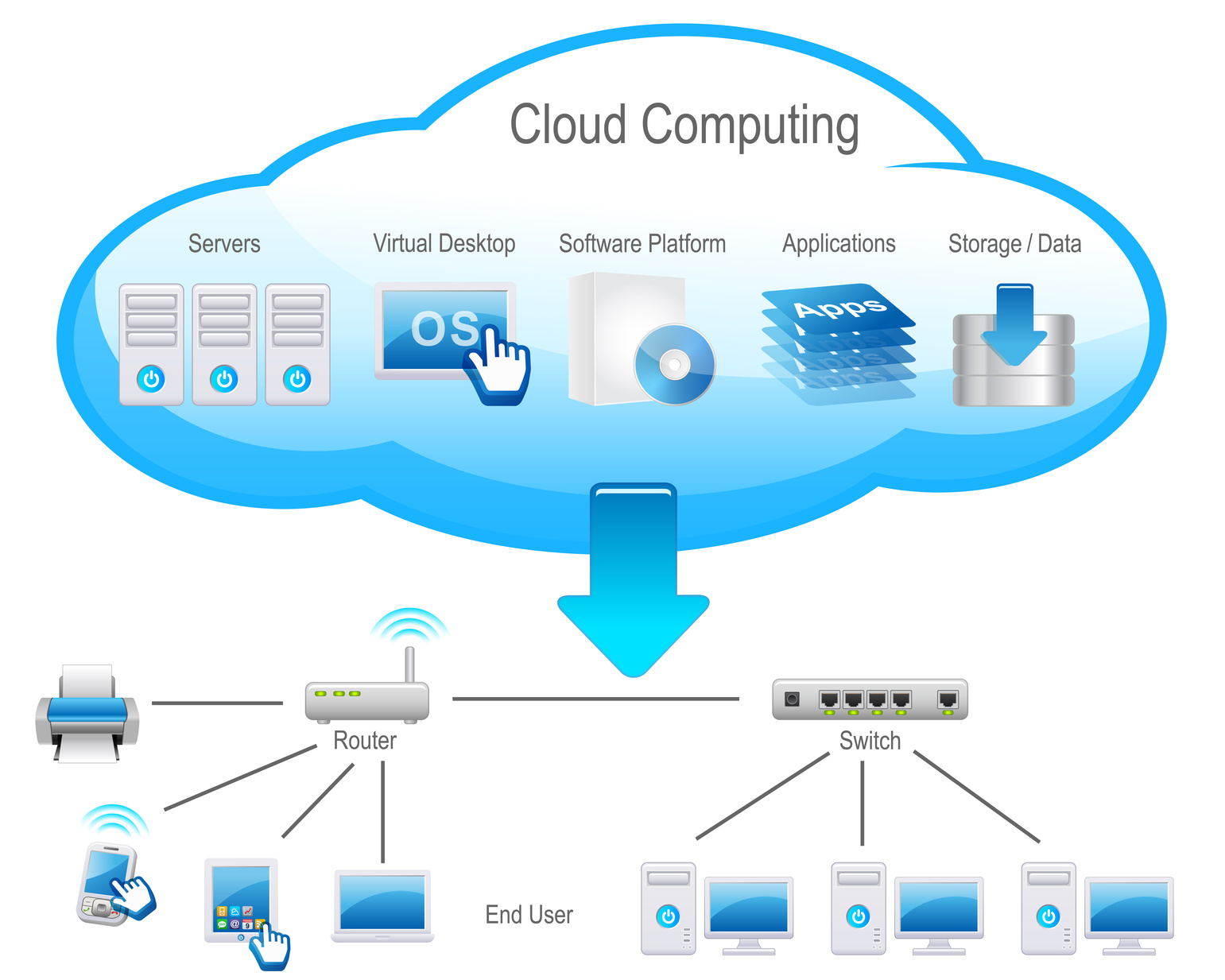
Heroku requires using Heroku Postgres or a third-party add-on for databases. ApexWeave includes managed MySQL, PostgreSQL, MariaDB, and Redis at competitive prices without routing through a separate add-on marketplace. Advantage: **ApexWeave** for teams who want everything in one place.
### WordPress
Heroku is technically capable of running WordPress but it's not a supported use case and requires significant configuration. ApexWeave offers dedicated managed WordPress plans. Advantage: **ApexWeave** for WordPress users.
### Add-on Ecosystem
Heroku's add-on marketplace has hundreds of integrations built over many years — email services, monitoring tools, logging platforms, and more. ApexWeave is newer and doesn't have this depth of integrations yet. Advantage: **Heroku**.
## Performance
Both platforms run on cloud infrastructure with reasonable performance characteristics. Heroku's Standard dynos have dedicated resources; Eco and Basic dynos are resource-constrained. ApexWeave's plans are scoped by resource tier as well.
Neither platform is designed for raw compute-intensive workloads — for that, you'd look at bare metal or IaaS providers. Both are well-suited for web applications, APIs, and background workers.
## Support and Documentation
Heroku has extensive documentation accumulated over 15+ years. Its community and Stack Overflow presence is large. ApexWeave, as a newer platform, has actively maintained documentation but a smaller community footprint.
For most common deployment tasks, both platforms have sufficient documentation. If you're doing something exotic, Heroku's longer track record may give you an edge in finding answers.
## When to Choose Heroku
- You depend on specific Heroku add-ons with no easy equivalent elsewhere
- Your team is deeply familiar with the Heroku ecosystem and switching cost is high
- You need the add-on marketplace breadth for specialized integrations
- You're running a large enterprise workload where Heroku's enterprise tiers make sense
## When to Choose ApexWeave
- You want Heroku-style simplicity at a lower monthly cost
- You're running WordPress alongside your apps and want unified hosting
- You need managed databases included at a reasonable price
- You're starting a new project and want to optimize for value from the start
- You want a 7-day trial before committing to any payment
## Migration Complexity
Moving from Heroku to ApexWeave is typically a low-complexity migration. wordpress hosting no noisy neighbours Your application code doesn't change. You'll need to:
1. Export your environment variables from Heroku
2. Set them on ApexWeave
3. Point your custom domain to ApexWeave
4. Migrate your database (a standard pg_dump/restore for Postgres)
5. Update any webhook URLs or service integrations
For most apps, this is a half-day to full-day task.
## Verdict
Heroku is a mature, reliable platform with a rich ecosystem. ApexWeave is a strong challenger that offers comparable deployment simplicity at meaningfully lower prices, with the added benefit of integrated WordPress and database hosting.
If cost is a factor — and for most teams it is — ApexWeave is worth a serious evaluation. The 7-day free trial means there's no cost to testing your deployment before committing.